






 ?
?Undiscovered hidden role
 Engineering Compass
Find Your Role in an Engineering Team
A self-assessment to explore your engineering strengths, hands-on experience, and growth directions.
Your core engineering profile
30
Standard questions
6
competencies
9
toolkit areas
Your responses are private and stay on this device. The role is a reflection prompt—not a grade, selection test, or fixed type.
HOW THE COMPASS WORKS
Discover your strengths and what to practise next.
These responses help you explore six ways of contributing to an engineering team and your experience with nine technical toolkit areas. Your results highlight a current team role, your practical experience, and actions for the skills you want to develop. They describe where you are now—not a grade or a fixed type of engineer.
SIX ENGINEERING ROLES
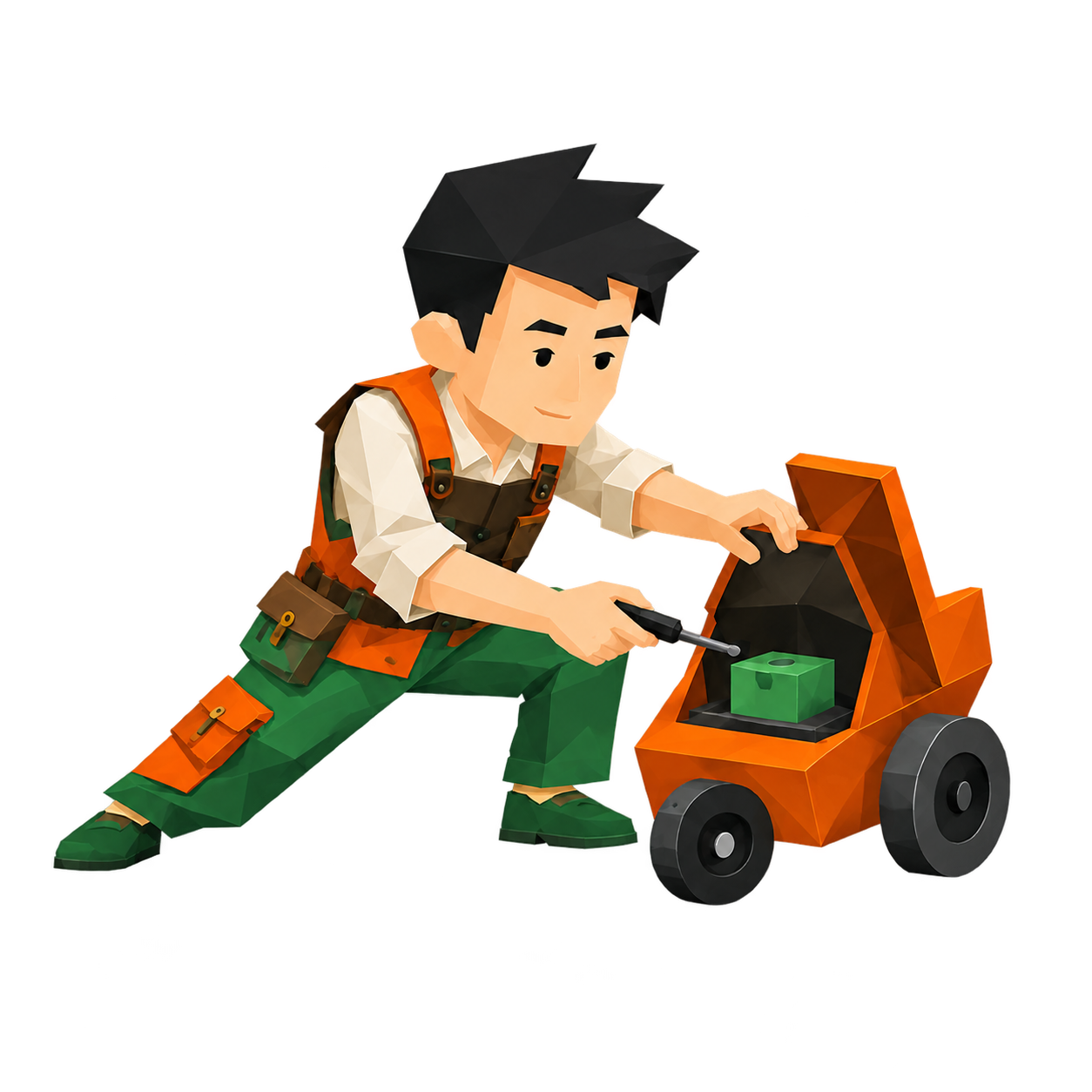
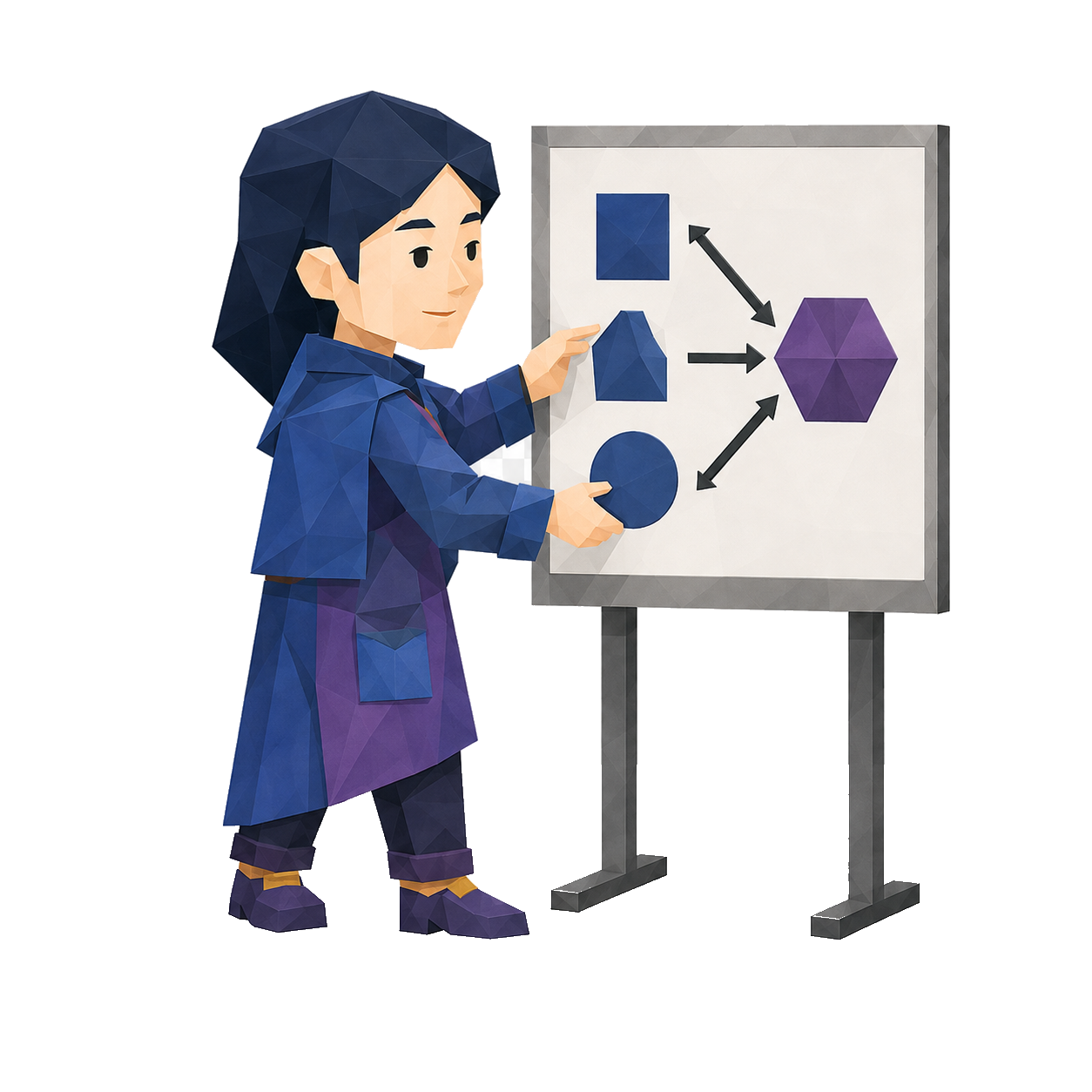
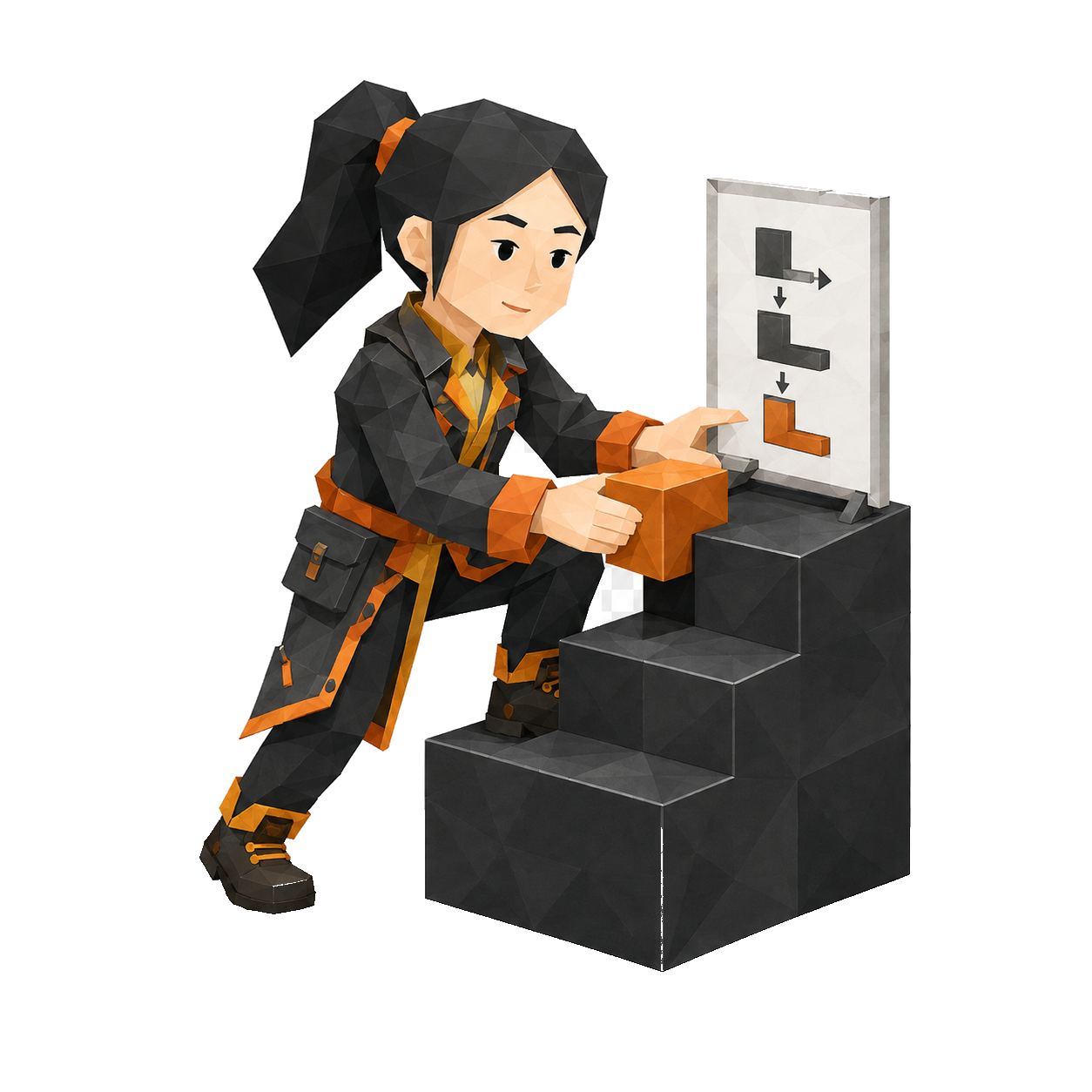
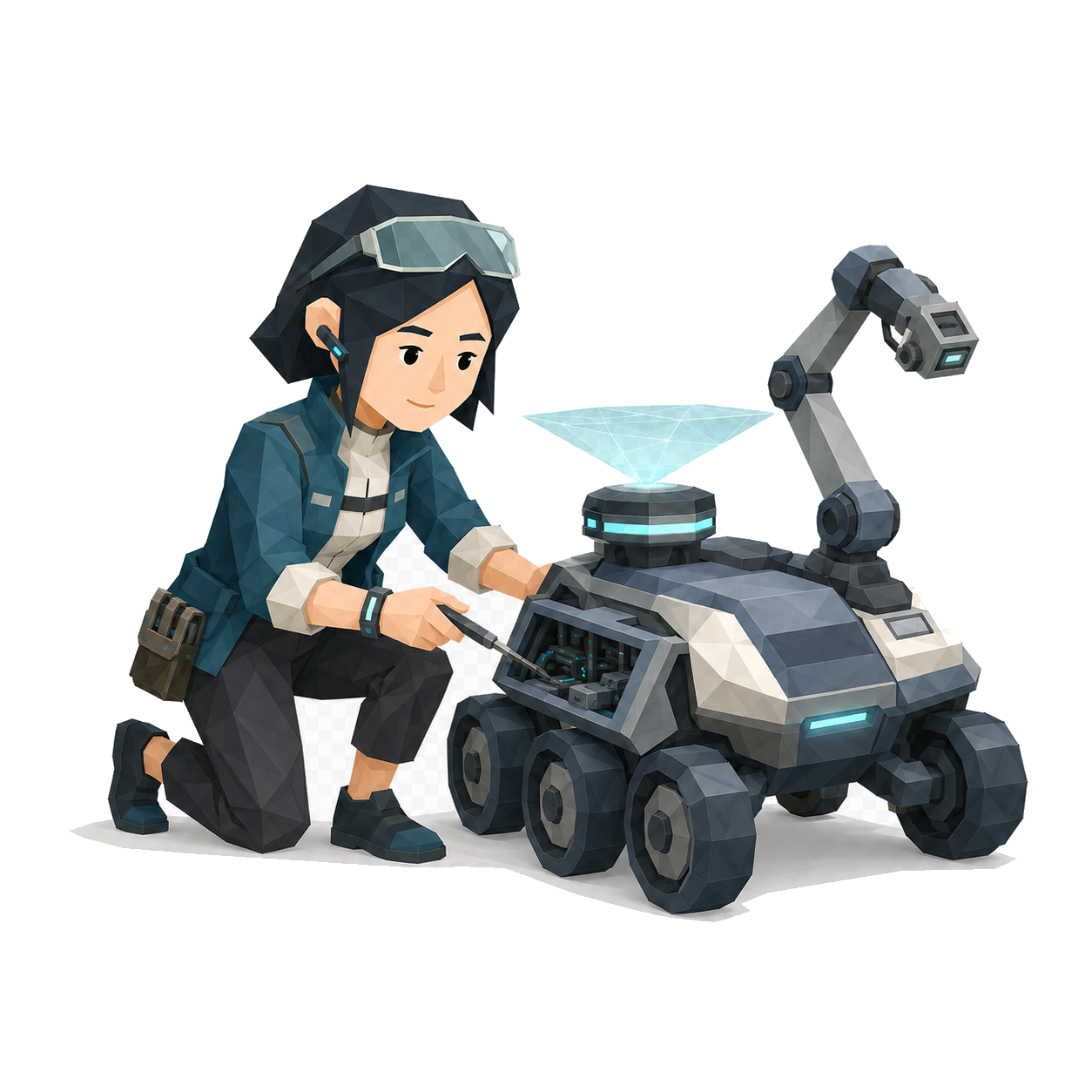
Explore how you may currently contribute to a team.
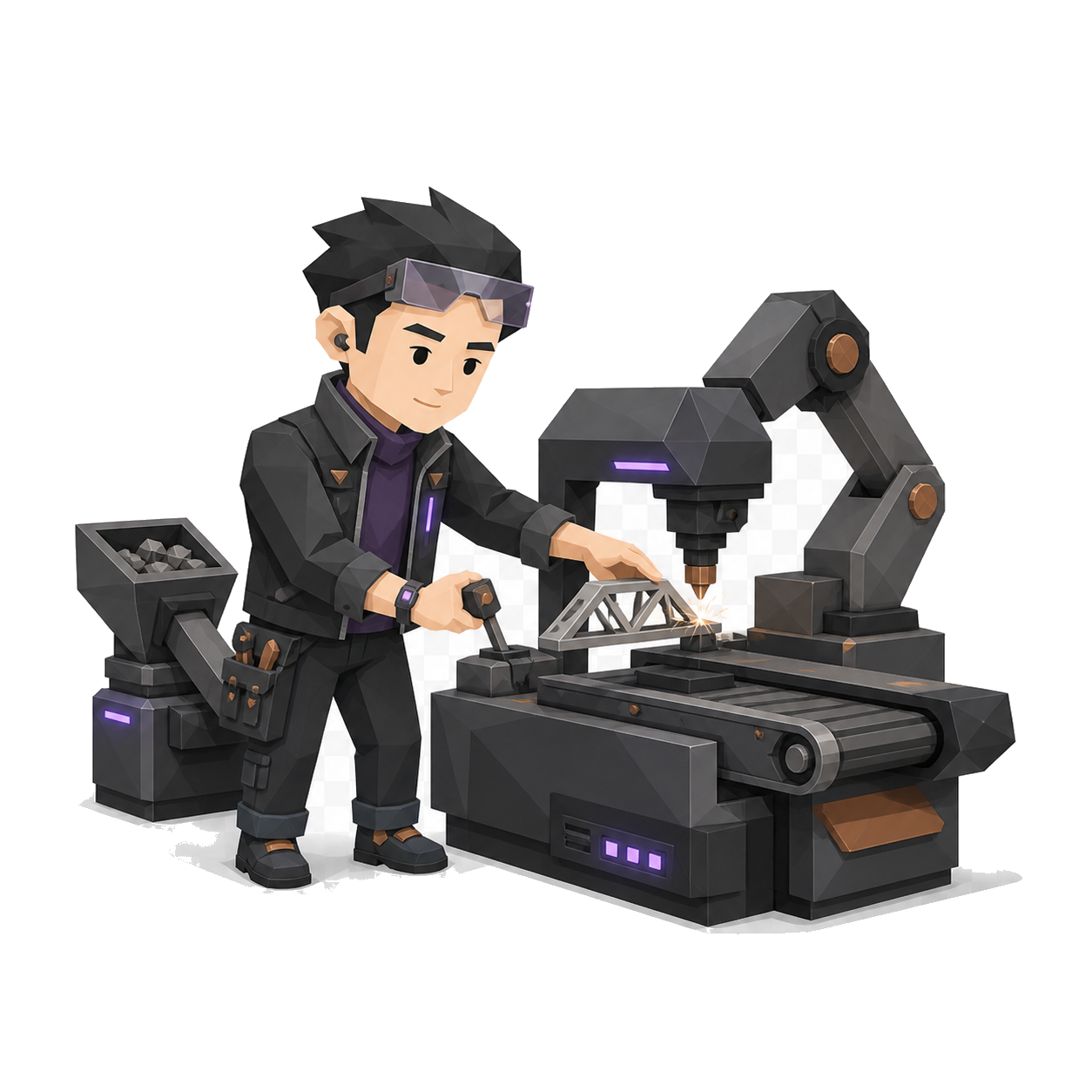
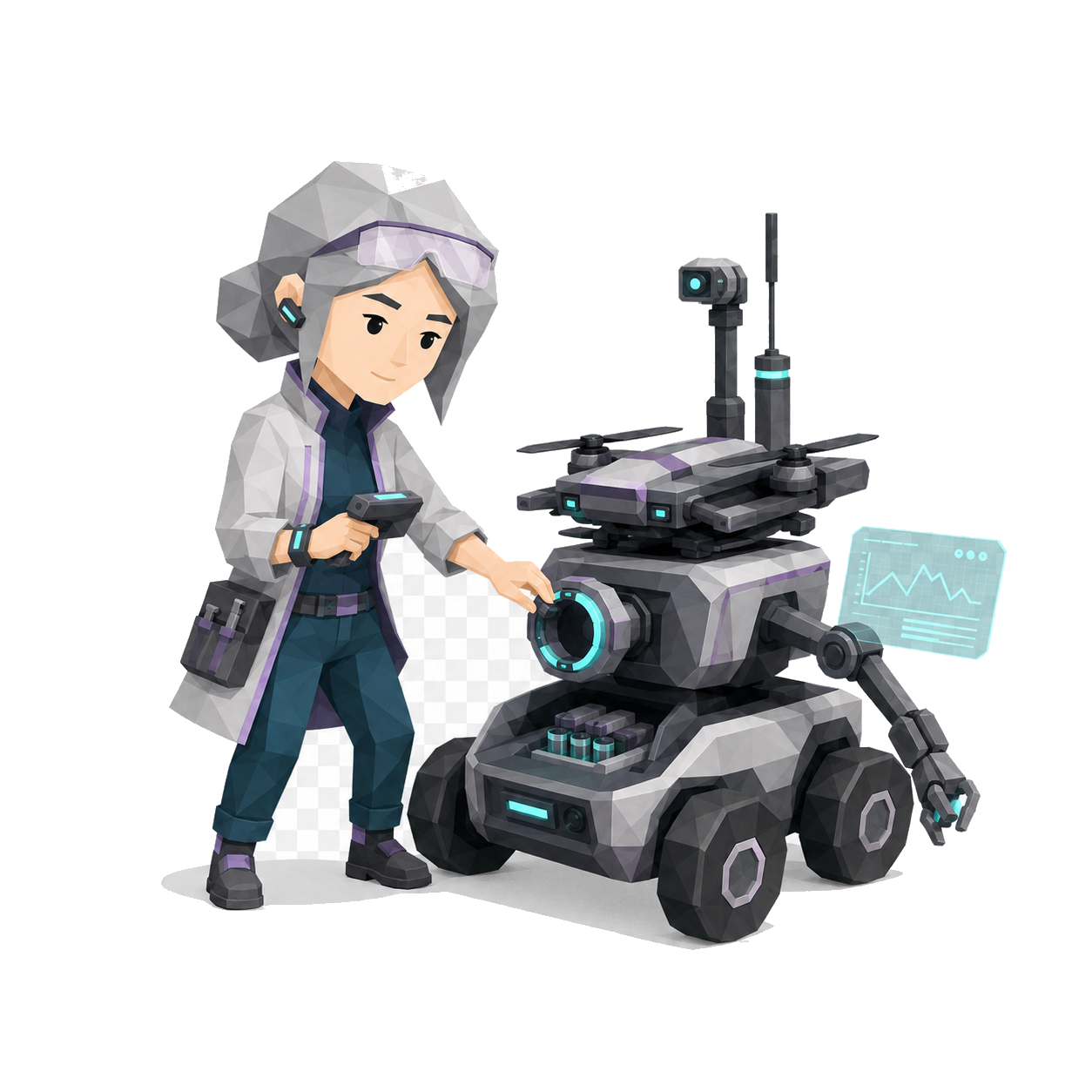
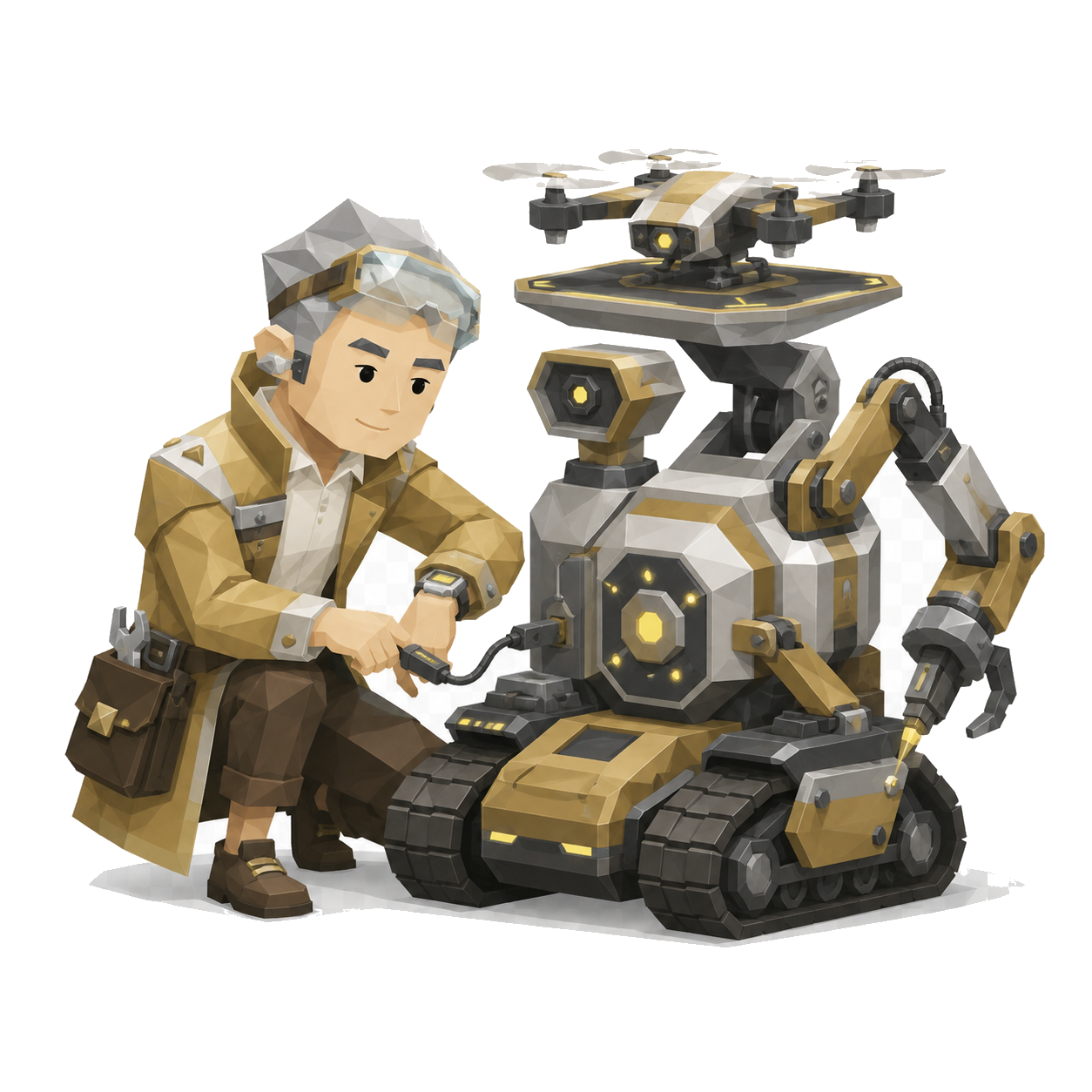
HIDDEN ROLE GALLERY
Some combinations are waiting to be discovered.
A hidden role appears only when several competencies share your highest displayed score. Discoveries stay in this browser.
 ?
? ?
? ?
? ?
? ?
? ?
? ?
? ?
? ?
?NINE TECHNICAL TOOLKIT AREAS
See where your experience is growing.
Each area is reflected separately, so the result shows both breadth and the tools you may want to practise next.
Mechanical Assembly & Mechanisms
Assembly, alignment, adjustment, and mechanism checks.
- Hand-tool assembly
- Alignment & fit
- Mechanism checks
- Troubleshooting
CAD & 3D Modelling
Editable models that account for fit and manufacture.
- Sketch-to-model
- Parametric editing
- Fit & tolerance
- Design for manufacture
Digital Fabrication
Preparing and producing parts with digital processes.
- File preparation
- Process setup
- Material & settings choice
- Part production
Electronics
Building, measuring, soldering, and troubleshooting circuits.
- Breadboarding & wiring
- Measurement
- Soldering
- Circuit troubleshooting
Programming
Reading, modifying, writing, and debugging code.
- Read & modify code
- Write defined behaviours
- Debug logic
- Test outputs
Physical Computing
Using embedded platforms to read inputs and control outputs.
- Microcontrollers & SBCs
- Digital & analogue I/O
- Input sensing
- Output control
Sensors, Data & IoT
Calibrating sensors and collecting or transmitting useful data.
- Sensor calibration
- Data collection
- Data quality checks
- Transmission & IoT
AI / Computer Vision
Applying a model or vision workflow and evaluating its output.
- Input preparation
- Model or CV workflow
- Output evaluation
- Limitations & reliability
System Integration & Automation
Connecting subsystems into reliable end-to-end behaviour.
- Interface definition
- Subsystem connection
- End-to-end testing
- Automation reliability